
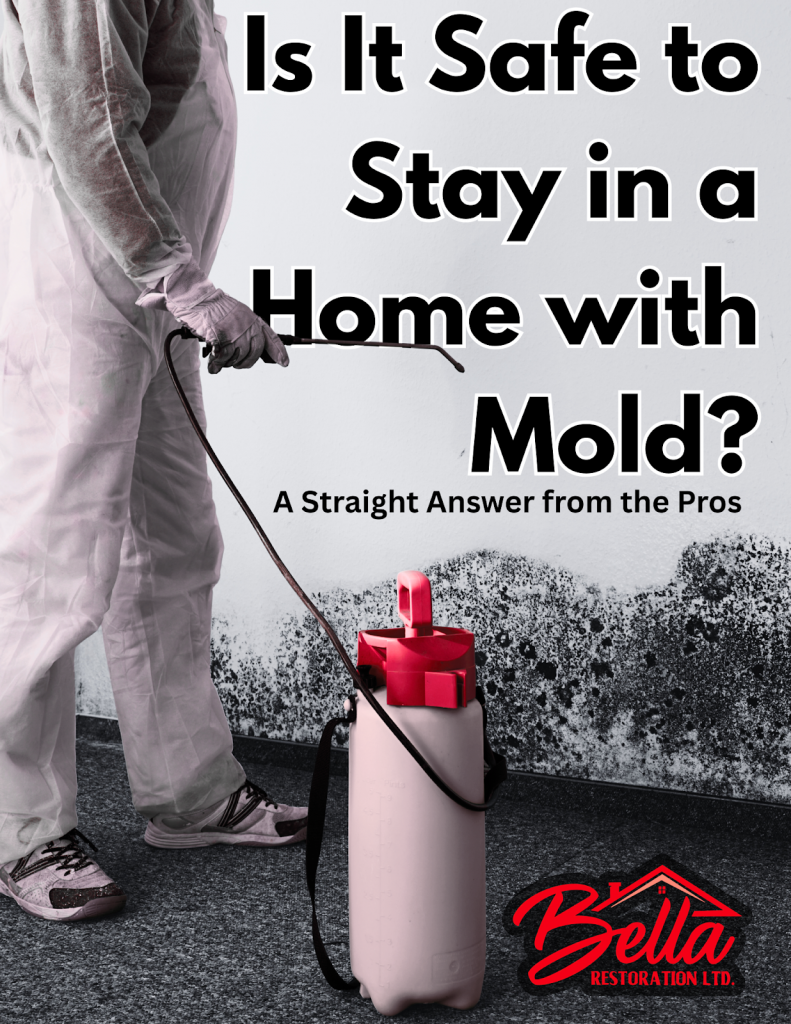
Let’s be real — no one wants to find mold in their home. But if you’ve spotted those mysterious black spots on your walls, floors, or ceilings, you’re probably wondering:
“Is it safe to stay in a house with mold?”
Short answer?
Sometimes yes. But often, no — not for long.
Let’s break it down clearly, calmly, and without the scare tactics.
First, Why Does Mold Matter?
Mold isn’t just gross — it’s a living organism that grows in damp, dark spaces.
It spreads through tiny particles called spores, which float through the air and enter your lungs, furniture, and HVAC system.
Some molds are mostly harmless (but still unpleasant), while others — like black mold (Stachybotrys) — can trigger serious health issues, especially in:
- Children
- Seniors
- People with asthma or allergies
- Immunocompromised individuals
Health Symptoms Mold Can Cause:
You might not see it, but your body might feel it.
Common mold exposure symptoms include:
- Chronic coughing or sneezing
- Eye, nose, or throat irritation
- Skin rashes
- Headaches or brain fog
- Worsening asthma or allergy symptoms
- Fatigue or dizziness
If more than one person in your home has “mystery symptoms,” mold could be the culprit.
So, Can You Stay in a House with Mold?
Here’s the honest answer:
| Mold Type | Severity | Safe to Stay? |
| Small surface mold (e.g. on grout or around windows) | Low | Usually yes, with good ventilation and a quick cleanup |
| Mold behind walls, under flooring, or in HVAC | Moderate to high | No — spores spread quickly and may affect your health |
| Black mold or widespread contamination | High | Absolutely not — leave and call a professional ASAP |
Even if it doesn’t look like a big deal, it could be growing in unseen areas like:
- Behind baseboards or drywall
- In your attic or crawlspace
- Inside your vents or furnace
DIY Mold Cleanup? Think Twice.
Small patches of mold on tile or caulking can often be cleaned with vinegar or hydrogen peroxide.
But larger problems? That’s a job for professionals.
Trying to scrub mold yourself can actually make things worse by releasing more spores into the air.
Plus, you may not know how far it’s spread inside your walls or insulation.
What to Do If You Suspect Mold
- Don’t panic — but don’t ignore it.
- Avoid using fans or HVAC — they spread spores.
- Call Bella Restoration for a free mold inspection
We’ll assess the situation, identify the mold type, and walk you through the best plan of action — clearly, professionally, and with full transparency.
Final Answer: Your Safety Comes First
If you see or smell mold and feel “off,” play it safe.
Your home should be your sanctuary — not something that slowly makes you sick.
At Bella Restoration, we don’t just clean up mold — we restore your health, safety, and peace of mind.